
Have you ever caught yourself staring at your computer screen, thinking: Is this really the work I’m meant to be doing? Or more colorfully: What the *&%^ am I doing here? If so, you’re not alone.
Career transitions aren’t just for dream-chasers or people in a midlife crisis. They’re often the healthiest, most strategic move you can make when your current role no longer fits who you are — or who you’re becoming. Bonus – they also tend to help position you better financially as well.
Sometimes the signs show up in buzzwords like quiet quitting, quiet cracking, or the all-too-familiar burnout. Other times, it’s just a whisper in your gut saying, “This isn’t it.” Or a gnawing feeling that you are meant for more. More purpose. More alignment. More synergy with your talents and values.
Let’s unpack what those career transition signals mean, how to recognize them, and what practical steps you can take to explore a career transition — including a resource I love, Ken Coleman’s Get Clear Assessment, which helps people identify the work they’re wired to do.
Why Career Transitions Are Normal (and Healthy)
Here’s the truth: very few people stick with one career for life. The average person changes jobs multiple times, and many change career paths entirely. That’s not failure – that’s growth.
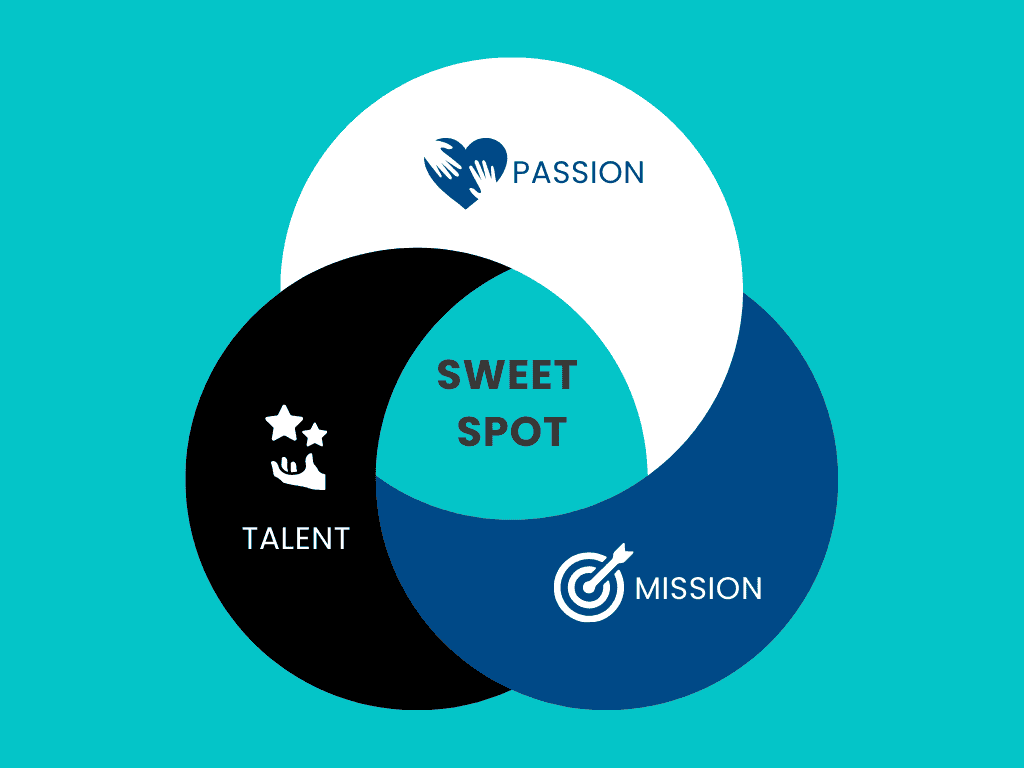
As Ken Coleman teaches, work should sit at the intersection of your talent, passion, and mission. If you’re no longer using your strengths, no longer energized by what you do, or no longer connected to the impact of your work – it might be time to pivot.
Quiet Quitting – The Early Warning Sign
When you say quiet quitting, it doesn’t mean you’ve actually quit. It means you’ve checked out emotionally. You’re doing the bare minimum, avoiding extra projects, and working only for the paycheck.
Sound familiar? If you find yourself counting down to Friday every single week, dragging yourself through tasks that once lit you up, or mentally disengaging from team conversations, that’s quiet quitting. You’re over it, and you’ve likely been feeling this way for a long time.
It’s not laziness. It’s a symptom of misalignment. You might be capable and skilled, but if your work isn’t tapping into your “sweet spot” — where you do what you’re good at, on work you enjoy, with results that matter to you — it’s no wonder you’ve lost interest.
Ecclesiastes 9:10: “Whatever your hand finds to do, do it with all your might.” If you can’t give your work your all anymore, that may be your early sign that a change is needed.
Quiet Cracking – The Silent Struggle
While quiet quitting is about checking out, quiet cracking is the opposite: you’re pushing harder and harder to prove yourself, but inside, you’re breaking.
You might be the first one in, last one out, always volunteering, always over-delivering — and yet, you feel invisible, unappreciated, or simply unfulfilled.
Quiet cracking is dangerous because it hides behind achievement. From the outside, you look like a star performer. On the inside, you’re exhausted, resentful, and wondering how much longer you can keep this pace.
As Simon Sinek wisely said: “Working hard for something we don’t care about is called stress; working hard for something we love is called passion.”
Here’s the truth: more effort doesn’t fix a misfit. If the work isn’t aligned with your wiring, no amount of hustle will make it sustainable.
Burnout – The Red Flag You Can’t Ignore
Then there’s burnout — the crash that comes when stress and misalignment pile up for too long.
Burnout isn’t just being tired. It’s exhaustion that seeps into every part of your life. You feel cynical, detached, maybe even physically sick. You’re short with your family. You can’t focus. Even rest doesn’t restore you.
As Michael Gungor put it: “Burnout is what happens when you try to avoid being human for too long.”
Burnout is your body and mind screaming: Something has to change.
Meaningful work should energize you. Yes, it can be hard. Yes, there will be stressful seasons. But overall, if your career is constantly draining you instead of fueling you, that’s not sustainable.
If quiet quitting and quiet cracking are ‘yellow’ warning signs, burnout is a flashing ‘red’ sign.
How to Know It’s Time for a Career Transition
So how do you know if you’re ready – really ready – for change? Start with these reflection questions:
- Do I end the week energized or depleted?
- Am I consistently using my top talents, or are they collecting dust?
- Do I actually care about the results my work creates?
- Is this job aligned with my values and life stage?
If your answers lean negative — and you’ve been sitting in quiet quitting, quiet cracking, or burnout for months — it’s time to take a closer look.

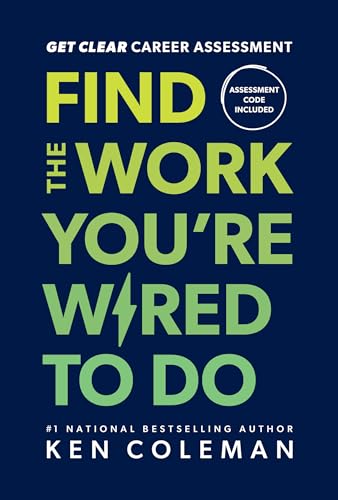
This is where a tool like Ken Coleman’s Get Clear Assessment (GCA) comes in. It helps you name your talents (what you’re best at), passions (what you love to do), and mission (what results matter to you). Having that clarity makes it much easier to see if your current career is a fit — or if it’s time for something new. You can snag a copy of ‘Find the Work You’re Wired To Do’ on Amazon and have it on your doorstep tomorrow morning - it includes the GCA as well.

How to Plan a Career Transition (Without Burning Down Your Life)
A transition doesn’t have to mean slamming your laptop shut and storming out of the office tomorrow. Not recommended. It can be a thoughtful, step-by-step process.
Here’s how to start:
- Get Clarity – Use resources like Get Clear Assessment or Coleman’s book Find the Work You’re Wired to Do to identify your unique mix of strengths and values. Strength Finders is another great resource for your talents.
- Research – Explore roles and industries that align with your wiring. Talk to people doing the work.
- Build Margin – Strengthen your financial foundation so a career change feels less risky.
- Re-skill if needed – Take a course, earn a certification, or build a new skill set.
- Make a Plan – Create a timeline for the transition. Small, steady steps beat rash decisions.
- Find Support – A coach or mentor can keep you accountable and help you see options you might not on your own.
If you feel like you’re being called to entrepreneurship instead of traditional employment, the same plan of action applies. We talk about entrepreneurship here a lot – take a look at these past blogs if you’re thinking about that journey.
Real Talk – It’s Scary, But Worth It
Let’s be honest: career transitions can be scary. Money, security, identity — they’re all tied up in what we do for a living. But here’s the question: what’s the cost of staying stuck?
George Eliot said: “It’s never too late to be what you might have been.”
I’ve seen clients who finally made the leap and discovered not just a new career, but a new energy for life. They went from surviving to thriving. They found work that felt like a calling instead of a chore.
Clients like Karen that went from a soul sucking pharmacy tech role to driving class C trucks that lit her up and brought her pay up $10 per hour. (Check out her newest set of wheels!)
Or like Susan who loathed the office accounting work she was doing and transitioned to a role with her local school district that aligns with meaningful work as a paraeducator.
And that’s possible for you, too.
Conclusion & Call to Action
These aren’t just buzz words – quiet quitting, quiet cracking, and burnout. They’re signals. If you’ve been living in those spaces for too long, it’s time to pay attention.
Tools like Ken Coleman’s Get Clear Assessment can give you language for what you’re experiencing and direction for what’s next. But the next step is up to you.
You don’t have to navigate this alone. If you’re ready to explore a career transition, let’s talk. Book a strategy call with me here and let’s create a plan that leads you to the work you love — and a life that feels aligned.
Thank you for joining me on my journey to influence.


Sign up below to get a weekly email with tips, tricks, and truth about intentionality with your time, talent, and money.